About the author
Cornelia Grabmeier

Your menstrual cycle can tell you a lot about your body. Some months, you may feel energised and balanced; other times, you may feel tired, emotional, bloated, or notice changes in your period. These shifts can be confusing, but they are often linked to the different phases of your cycle. By understanding what happens during each phase, you can better recognise your own patterns, track changes, and feel more connected to your body.
What is the menstrual cycle?
Phases of the menstrual cycle: an overview
Tips for tracking your menstrual cycle phases at home
What can affect the phases of the menstrual cycle?
Frequently asked questions about menstrual cycle phases
The menstrual cycle is the monthly process your body goes through to prepare for a possible pregnancy. It is counted from the first day of your period to the first day of your next period. The average menstrual cycle lasts around 28 days, but this can vary. A cycle between 21 and 35 days can still be considered normal.
Source: Cleveland Clinic, 2022
The menstrual cycle is often described in four main phases: the menstrual phase, follicular phase, ovulation phase, and luteal phase. The exact timing can vary from person to person.
Menstruation, or your period, begins on the first day of your cycle. It happens when the lining of the uterus sheds and leaves the body through the vagina because pregnancy has not occurred. Period blood contains blood, mucus, and cells from the uterine lining. Most people bleed for 3 to 5 days, but a period lasting 3 to 7 days is usually considered normal.
The follicular phase also begins on the first day of your period and ends at ovulation, meaning it overlaps with menstruation. During this phase, oestrogen levels rise, causing the uterine lining (endometrium) to grow and thicken. Follicle-stimulating hormone (FSH), also causes follicles in the ovaries to grow. Usually, between days 10 and 14, one follicle develops into a mature egg (ovum).
Ovulation is when a mature egg is released from an ovary. In a 28-day cycle, this usually happens around day 14. A sudden rise in luteinising hormone (LH), triggers the ovary to release the egg. You are most likely to become pregnant if you have unprotected sex around the time of ovulation.
The luteal phase usually lasts from about day 15 to day 28 in a 28-day cycle. After ovulation, the egg leaves the ovary and travels through the fallopian tube towards the uterus. Progesterone levels rise to help prepare the uterine lining for pregnancy. If the egg is fertilised by sperm and implants in the uterine wall, pregnancy begins. If pregnancy does not occur, oestrogen and progesterone levels drop and the uterine lining sheds.
Source: Cleveland Clinic, 2022; Better Health Channel, 2024
Tracking your menstrual cycle helps you understand what is normal for your body and spot changes more easily. Use a calendar, diary, or period-tracking app to record your cycle each month. After a few months, you may begin to notice patterns in your period dates, flow, and symptoms.
Track these details each month:
Start and end date: Note when your period begins and ends. Is it shorter or longer than usual?
Flow: Record how heavy your bleeding is. Is it lighter or heavier than normal? How often do you change your pad, tampon, menstrual cup, or period underwear? Do you pass any blood clots?
Bleeding between periods: Write down any spotting or bleeding outside your regular period.
Pain, symptoms, and other changes: Track period pain, cramps, back pain, or pelvic discomfort, and note if it feels worse or different than usual. Also record changes in mood, behaviour, energy, sleep, appetite, skin, digestion, or weight, as well as factors like stress, illness, travel, or new medication around the time your period changes.
Source: Mayo Clinic, 2026
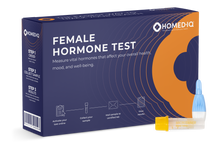
For people who want more insight into the menstrual cycle, home hormone tests may also be helpful. Depending on the test, these may measure hormones linked to aspects of reproductive health. Home testing offers privacy and convenience, allowing you to collect a sample from home and receive results without needing to visit a clinic for the initial test. This can help you better understand your body and take a more proactive approach to your wellbeing.
Several factors can affect the phases of the menstrual cycle and lead to altered periods, including:
Pregnancy, breastfeeding, or pregnancy complications
Pregnancy and breastfeeding may alter periods. Miscarriage or an ectopic pregnancy can also cause abnormal bleeding.
Lifestyle and body changes
Stress, major weight gain or loss, excessive exercise, very low body fat can alter the timing and flow of periods.
Health conditions
Conditions such as polyendocrine metabolic ovarian syndrome (PMOS), thyroid disorders, and pituitary gland disorders, endometriosis, pelvic inflammatory disease (PID), uterine fibroids, and primary ovarian insufficiency can lead to altered periods. Blood clotting disorders, viruses, uterine or ovarian cancer or other illnesses can also change menstrual bleeding patterns.
Medications and birth control
Birth control pills, stopping or starting birth control, steroids, blood thinners, and other medications can affect period timing, flow, or regularity.
Surgery, scarring, or blockages
Surgery, scarring, or blockages in the uterus, ovaries, or fallopian tubes can interfere with normal menstrual cycles.
Source: Cleveland Clinic, 2023; Mayo Clinic, 2026
You can estimate your current phase by tracking the first day of your period and counting where you are in your cycle. The exact timing can vary from person to person.
Days 1–5: Menstrual phase
Days 1–10/14: Follicular phase
Day 14: Ovulation phase
Days 15–28: Luteal phase
Source: Cleveland Clinic, 2022; Better Health Channel, 2024
You can also look for your mood:
Menstruation
Common moods: irritability, tiredness, sadness, low mood, or feeling more sensitive.
Follicular phase
Common moods: more energy, positivity, motivation, and improved mood. Some people may still feel anxious or have mood swings.
Ovulation
Common moods: increased confidence, higher libido, and feeling more social or energised. Some people may experience anxiety or mood swings.
Luteal phase
Common moods: calmness or relaxation at first, followed by possible PMS symptoms such as irritability, anxiety, sadness, low mood, or mood swings.
Source: Webberley, H., 2023
Yes, it is normal for menstrual cycle phases to vary slightly each month. A typical cycle can range around 28 days, and bleeding can last up to 8 days. Your period may also be light or heavy, painful or pain-free, and still be normal for you (Mayo Clinic, 2026).
At-home testing with laboratory accuracy
Our medical laboratories operate according to strict European quality standards. All tests are analysed by ISO-certified partner labs, giving you reliable and professional results. With the comfort of your home.