About the author
Anna Röll

Hay fever affects approximately 21–23% of the population in Europe and results from an allergic reaction to pollen from trees, grasses, and weeds (Lake et al., 2017). For many, it evokes images of spring and summer accompanied by sneezing passersby and stuffy noses. But what exactly is behind this commonly used term? This page is designed to help you better understand hay fever—from its causes and symptoms to effective ways to relieve it.
Hay fever, medically known as allergic rhinitis, is a widespread condition affecting people whose immune systems are overly sensitive to certain substances in the environment, known as allergens. More precisely, hay fever is a form of allergic rhinitis and refers specifically to reactions that are seasonally triggered by pollen from trees, grasses, or weeds. These pollens are fine, lightweight particles produced by plants. When someone with hay fever inhales this pollen, the immune system mistakenly identifies it as a harmful invader. As a result, the immune system launches a defensive reaction to fend off the perceived threat. This reaction involves the release of histamine and other chemicals into the body, which are responsible for the typical symptoms of hay fever (MedlinePlus, 2022).
Yes, hay fever is a form of inhalant allergy that occurs when the immune system overreacts to particles in the air, especially pollen from trees, grasses, and weeds. Inhalant allergies are characterized by the fact that the allergens must be inhaled to trigger a reaction and that they primarily affect the respiratory system.
Other types of allergies, such as food allergies (e.g. nut allergy) and contact allergies (e.g. latex allergy), affect the gastrointestinal tract or the skin and are triggered by different mechanisms—through ingestion in the case of food allergies or through direct skin contact in the case of contact allergies (ACAAI, 2024).
Yes, because although hay fever is often used as a synonym for allergic rhinitis, it is, as mentioned earlier, only one form of rhinitis. The following table provides a clear comparison between hay fever and other nasal conditions to help distinguish between them:
| Condition | Differences from hay fever |
|---|---|
| Infectious rhinitis | Often referred to as the “common cold,” it is caused by viruses. Unlike hay fever, it is contagious and often occurs with fever symptoms. |
| Non-allergic rhinitis | This refers to inflammation of the nasal mucosa without an allergic cause, triggered by environmental stimuli, infections, or medications. |
| Chronic rhinosinusitis | Perennial allergic rhinitis is a persistent nasal inflammation caused by year-round exposure to allergens such as dust mites and pet dander. |
Source: Cleveland Clinic, 2023
The most common allergens include:
Source: Cleveland Clinic, 2023
Hay fever occurs seasonally, typically in spring and summer when pollen levels in the air are highest. The specific months and severity of symptoms may vary depending on geographic location and weather conditions and include the following symptoms:
The diagnosis of hay fever requires a careful assessment of the patient’s symptoms and medical history by a physician. To identify the exact allergens, allergy tests may be conducted:
Source: Mayo Clinic, 2022
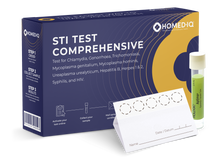
An inhalant allergy test, like the one offered by Homed-IQ, can be helpful in cases of hay fever or suspected hay fever, as it identifies the exact triggers of the allergy. Knowing your individual triggers allows for the development of targeted avoidance strategies to effectively reduce symptoms. This test is easy to perform at home. If you want a broader overview of potential allergies, you may also consider the extensive allergy test, which screens for 295 different allergens associated with 167 specific allergies.
Strategies for treating hay fever range from medical treatments and preventive measures to nutritional adjustments aimed at relieving symptoms.
The selection of the appropriate treatment method should always be made in consultation with a doctor. Possible treatment options include:
Source: Mayo Clinic, 2022
Preventive strategies aim to minimize contact with allergens and thereby reduce symptoms. Here are some proven approaches:
Source: Mayo Clinic, 2024
Although nutrition cannot cure hay fever, a balanced, anti-inflammatory diet can provide support and strengthen the immune system. The following foods may be beneficial:
| Food | Effect |
|---|---|
| Omega-3-rich foods (e.g., salmon, flaxseed) | Reduce inflammation in the body. |
| Vitamin C-rich fruits (e.g., oranges, kiwis) | Strengthen the immune system and have antioxidant effects. |
| Foods rich in quercetin (e.g., onions, apples) | Natural histamine blocker that may reduce allergic reactions. |
| Magnesium-rich foods (e.g., spinach, nuts) | Have anti-inflammatory properties and support a healthy immune system. |
| Turmeric and ginger | Possess strong anti-inflammatory properties. |
In cases of hay fever, foods high in histamines or that promote inflammation should be avoided. These include aged cheeses, alcohol, processed snacks, dairy products, and foods high in sugar.
Hay fever is caused by an overreaction of the immune system to pollen from trees, grasses, and weeds. The condition occurs seasonally, mainly in spring and summer, and leads to symptoms such as sneezing, nasal congestion, and itchy eyes. Diagnosis can be made through specific tests such as the skin prick test or the specific IgE-antibody-test, which help identify the triggering allergens. Treatment options include medical measures such as antihistamines, nasal sprays, and immunotherapy, supported by preventive strategies like allergen avoidance and the use of air purifiers. Nutrition also plays a supportive role by including anti-inflammatory foods in the diet.
At-home testing with laboratory accuracy
Our medical laboratories operate according to strict European quality standards. All tests are analysed by ISO-certified partner labs, giving you reliable and professional results. With the comfort of your home.