About the author
Lauren Dobischok

PrEP stands for ‘Pre Exposure Prophylaxis’. It is medications that can help prevent HIV. PrEP can be used by HIV-negative people to help prevent an HIV infection, such as from sex. The “pre” means that PrEP needs to be taken before being exposed to HIV to prevent it.
Anyone who is sexually active and doesn’t have HIV can use PrEP. Using PrEP is recommended if you are at increased risk of HIV. For example, men who have sex with men (MSM), trans men and women who have sex with men, and sex workers who have sex with MSM (CDC, 2024).
If you want to use PrEP, you can make an appointment with your GP or a sexual health clinic. At this appointment, you will discuss your risk of HIV and whether PrEP is right for you. Sexual health clinics may be able to immediately provide PrEP pills if they are in stock. Your GP can also prescribe PrEP which can be collected from the pharmacy. If your GP is unable to prescribe PrEP, ask them if you can approach another doctor or contact a sexual health clinic.
PrEP can be taken in two ways: every day or only before sex.
If you regularly have unprotected sex with someone living with HIV, you may consider taking PrEP daily. Daily PrEP means you take 1 PrEP pill every day at a fixed time. You are protected against HIV after taking PrEP pills for 7 days.
You may choose to only take PrEP during sex if you don’t want to take PrEP every day or do not regularly have unprotected sex with someone who has or may have HIV.
You then take PrEP before and after sex:
PrEP can cause side effects that include headaches and nausea. PrEP use also carries a small risk of kidney problems (Thuisarts).
You can always choose to stop taking PrEP. If you decide to stop taking PrEP but are still at risk for HIV, think about other ways to protect yourself against HIV. These methods can include practicing safe sex (always using a condom or dental dam for sex), getting tested for HIV and other STIs regularly, and using clean needles/syringes when injecting drugs.
In the Netherlands and Austria, the costs of PrEP are not yet reimbursed by health insurers, meaning you must pay for the pills yourself. In Germany, public health insurers cover the cost of PrEP. In Belgium, the cost of PrEP is reimbursed for people at risk of HIV. The cost of PrEP varies by brand. PrEP from a generic brand costs 7-15 euros in the Netherlands and Belgium, and approximately 40-70 euros in Austria or without insurance in Germany. You will have to pay these costs yourself. In some cases, sexual health clinics can give you PrEP pills for free or at a lower cost. For example, the GGD in the Netherlands can provide 90 pills for 7.50 euros. PrEP at a reduced cost is available if you belong to a group at risk of HIV.
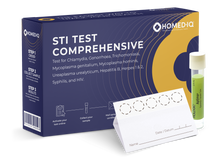
Unfortunately, Homed-IQ does not yet offer PrEP medication. Contact your GP or a local sexual health clinic to make an appointment and learn more about PrEP. But do you want to check your sexual health from home? With the HIV Test from Homed-IQ, you can easily and discreetly test for HIV — all from the comfort of your own home.
At-home testing with laboratory accuracy
Our medical laboratories operate according to strict European quality standards. All tests are analysed by ISO-certified partner labs, giving you reliable and professional results. With the comfort of your home.